Disclosure: This site may earn a commission if you purchase through links on this page, at no additional cost to you. This does not influence our editorial analysis.
Neuromind Pro Ingredients: What's Inside the Formula?
Neuromind Pro's label discloses ten ingredients in total: three individually dosed B vitamins, plus seven more inside a 151 mg proprietary blend. This page breaks down what's actually on the label, why each ingredient is typically included in cognitive-support formulas, and what independent research says — and doesn't say — about each one.
Last reviewed: 2026-10-09
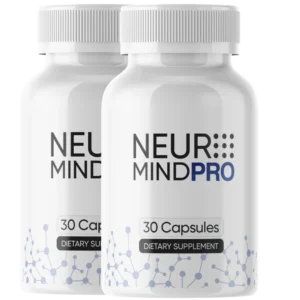
The Full Neuromind Pro Formula
Below is the complete ingredient list as disclosed on the label at the time of this review. The first three are individually dosed. The remaining seven sit inside a single 151 mg proprietary blend, meaning the label states the combined total but not how much of that total comes from each individual ingredient.
| Ingredient | Amount | Why It May Be Included | Transparency |
|---|---|---|---|
| Vitamin B1 (Thiamine) | 6 mg | Commonly included in cognitive-support formulas for general nutrient support. | Individually disclosed |
| Vitamin B6 | 8.5 mg | Commonly included B-vitamin; involved in normal neurological function. | Individually disclosed |
| Vitamin B12 | 24 mcg | Commonly included B-vitamin; involved in normal neurological function. | Individually disclosed |
Inside the 151 mg Proprietary Blend
Proprietary blends are common across the supplement industry, but they come with a real trade-off for anyone trying to evaluate a formula seriously: you can see what's in the blend, but not how much of each thing.
| Ingredient (within 151 mg blend) | Why It May Be Included |
|---|---|
| Caffeine from Green Coffee Bean | Stimulant commonly used for alertness. |
| L-Tyrosine | Amino acid studied in some contexts related to focus under stress. |
| Theacrine | Compound structurally related to caffeine, marketed for sustained energy. |
| Theobromine | Mild stimulant found in cacao, sometimes paired with caffeine. |
| Bacopa monnieri | Herb studied for memory-related outcomes in some clinical research. |
| Rhodiola rosea | Adaptogen studied in some contexts related to fatigue and stress. |
| Huperzia serrata | Source of huperzine A, studied in some memory-related research contexts. |
The 151 mg Proprietary Blend: An Important Limitation
The label provides the total amount of the proprietary blend but does not disclose the individual amount of each ingredient within that blend.
Therefore, readers cannot determine the exact dose of ingredients such as Bacopa, Rhodiola, L-Tyrosine or Huperzia from the disclosed blend total alone. This matters when comparing the formula with dosages used in published research.
This limitation reflects a labeling transparency issue — it does not, by itself, mean the product is ineffective.
What Does the Research Say About Each Ingredient?
The summaries below cover the most frequently researched ingredients in this formula. Each one separates what the ingredient is, why it's typically included, what human research actually suggests, and the specific limitations that apply when trying to map that research onto Neuromind Pro's undisclosed blend doses.
Caffeine (from Green Coffee Bean)
- What it is
- A naturally occurring stimulant, here sourced from unroasted coffee beans rather than a synthesized source.
- Why it is used
- Included for its well-established short-term effects on alertness and perceived energy.
- What human research suggests
- Caffeine's alertness and focus effects are among the most consistently replicated findings in nutrition research, typically at doses in the 40–200 mg range per serving.
- Important limitations
- Because the exact caffeine content isn't broken out from the 151 mg blend total, it's not possible to say from the label alone whether this serving falls within, below, or above typical studied doses.
- Safety considerations
- Can cause jitteriness, increased heart rate, or sleep disruption, particularly in caffeine-sensitive individuals or when combined with other stimulant sources.
Theacrine
- What it is
- A purine alkaloid structurally similar to caffeine, marketed as a longer-acting alternative stimulant.
- Why it is used
- Included to potentially extend or complement caffeine's alertness effects without the same tolerance buildup some users report with caffeine alone.
- What human research suggests
- Early human research suggests theacrine may support alertness with less tolerance development over repeated use, though the evidence base is smaller than caffeine's.
- Important limitations
- Blend dose undisclosed; theacrine research is newer and less extensive than caffeine's, so confidence in its standalone effect is lower.
- Safety considerations
- Generally studied as well-tolerated at researched doses; long-term safety data is more limited than for caffeine.
Theobromine
- What it is
- A mild stimulant compound naturally found in cacao, chemically related to caffeine.
- Why it is used
- Sometimes paired with caffeine for a smoother, longer-lasting stimulant profile.
- What human research suggests
- Theobromine's stimulant effect is generally considered milder than caffeine's, with some research suggesting a longer duration and gentler cardiovascular impact.
- Important limitations
- Blend dose undisclosed; much of the existing research on theobromine involves cacao/chocolate consumption rather than isolated supplementation at defined doses.
- Safety considerations
- Considered mild for most users; still a stimulant and worth accounting for if you're managing total daily caffeine-like intake.
L-Tyrosine
- What it is
- A naturally occurring amino acid, precursor to certain neurotransmitters.
- Why it is used
- Included for its studied role in cognitive performance under conditions like sleep loss or acute stress.
- What human research suggests
- Some research suggests tyrosine supplementation may support cognitive performance specifically under acute stress or fatigue conditions, less so under normal rested conditions.
- Important limitations
- Undisclosed dose within the blend; much of the supporting research uses controlled acute-stress paradigms that may not reflect everyday supplement use.
- Safety considerations
- Generally considered well-tolerated at studied doses; interacts with some medications — check with a healthcare professional if you take thyroid or blood-pressure medication.
Bacopa monnieri
- What it is
- A traditional herb sometimes used in Ayurvedic practice, now sold as a standardized extract in many supplements.
- Why it is used
- Included for its studied association with memory-related outcomes in some clinical research.
- What human research suggests
- Some clinical trials on standardized Bacopa extracts have reported memory-related benefits, typically with weeks of consistent use at researched doses.
- Important limitations
- Because Neuromind Pro's label does not disclose the individual Bacopa amount within the proprietary blend, it isn't possible to confirm whether the product matches doses used in that research.
- Safety considerations
- Generally studied at defined doses; gastrointestinal discomfort has been reported in some users. Not evaluated here for interactions — consult a healthcare professional.
Rhodiola rosea
- What it is
- An adaptogenic herb traditionally used in some Eastern European and Asian herbal practices.
- Why it is used
- Included for its studied association with fatigue and stress-related outcomes.
- What human research suggests
- Some human studies suggest Rhodiola extracts may help with subjective fatigue under stress, though study quality and sizes vary.
- Important limitations
- Individual dose within the blend is undisclosed, and effects are often studied over specific short-term windows that may not match real-world supplement use.
- Safety considerations
- Generally reported as well-tolerated in studied doses; not evaluated here for interactions with medications.
Huperzia serrata (Huperzine A)
- What it is
- A plant source of huperzine A, a compound that affects an enzyme involved in memory-related neurotransmission.
- Why it is used
- Included for its studied association with memory-related outcomes.
- What human research suggests
- Huperzine A has been studied in memory-related contexts, including some research in cognitively impaired populations, but general-population evidence is more limited.
- Important limitations
- Undisclosed dose within the blend; potency and effect can vary meaningfully with dose, which is precisely what isn't disclosed here.
- Safety considerations
- Has documented interactions and contraindications in specific contexts; this is not a substitute for individualized medical guidance.
Vitamin B1, B6 & B12
- What it is
- Three individually dosed B vitamins, each involved in normal energy metabolism and neurological function.
- Why it is used
- Commonly included in cognitive-support formulas as general nutritional support rather than as the formula's primary active ingredients.
- What human research suggests
- B vitamin deficiency is well established to impair cognitive and neurological function; however, evidence that supplementation beyond adequate levels enhances cognition in non-deficient individuals is much less consistent.
- Important limitations
- These are the only individually disclosed doses in the formula — a genuine transparency point — but their contribution to any felt "cognitive" effect is likely smaller than the stimulant ingredients in the blend.
- Safety considerations
- Generally well-tolerated at typical supplement doses; B6 in particular has documented risk at high chronic doses over long periods.
A note on interpreting this section
Safety Considerations Related to This Formula
Because several blend ingredients are stimulant-related, and because individual blend doses aren't disclosed, it's worth reading the safety considerations alongside this ingredient breakdown rather than in isolation.
Speak with a qualified healthcare professional before using dietary supplements if you take medication, have a medical condition, are pregnant or breastfeeding, or have concerns about ingredient interactions.
How These Ingredients Are Meant to Work Together
The manufacturer's general logic pairs fast-acting stimulant compounds (caffeine, theacrine, theobromine) with slower-acting botanicals studied for memory or stress-related outcomes (Bacopa, Rhodiola, Huperzine A), plus an amino acid (L-tyrosine) sometimes used to support performance under stress. Whether that combination produces a meaningfully different effect than its individual parts is not something the label — or ingredient-level research alone — can confirm.
Read Our Full How-It-Works Analysis →Ingredient FAQ
Why doesn't the label show individual doses for the blend ingredients?
This is a proprietary blend, a common but controversial labeling practice that lets a manufacturer disclose the total combined weight of several ingredients without breaking out how much of each one is actually included. It's legal, but it limits how precisely a formula can be compared to research doses.
Are the B vitamin amounts in Neuromind Pro high?
The disclosed B1, B6, and B12 amounts are consistent with typical supplement-level doses seen across many general wellness products, rather than unusually high or low. Always check the current label, since formulations can change.
Is Bacopa monnieri the same as other 'brain' ingredients?
No. Bacopa monnieri is a specific herb with its own research base, distinct from other ingredients like Rhodiola rosea or Huperzia serrata. Each has a different proposed mechanism and a separate body of research — they shouldn't be treated as interchangeable.
Does the ingredient list mean Neuromind Pro is scientifically proven?
Not on its own. Several ingredients have individual research behind them, but that isn't the same as clinical evidence for this specific finished product at its actual (partly undisclosed) doses. See our evidence section below for the distinction.
Curious how this formula stacks up against the price, or whether the overall product holds up as a legitimate offer? Continue with our full review.
Check Current Neuromind Pro Price →